Feature: These 5 Rolex Models Still Feel Within Reach
Not every Rolex conversation starts at six figures. Here are five model directions that still make sense for a first serious steel piece.
July 31, 2026 · COSY AURA
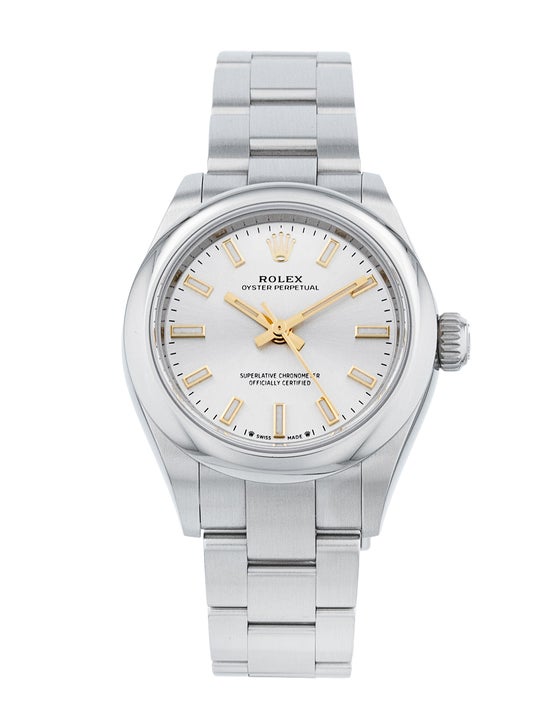
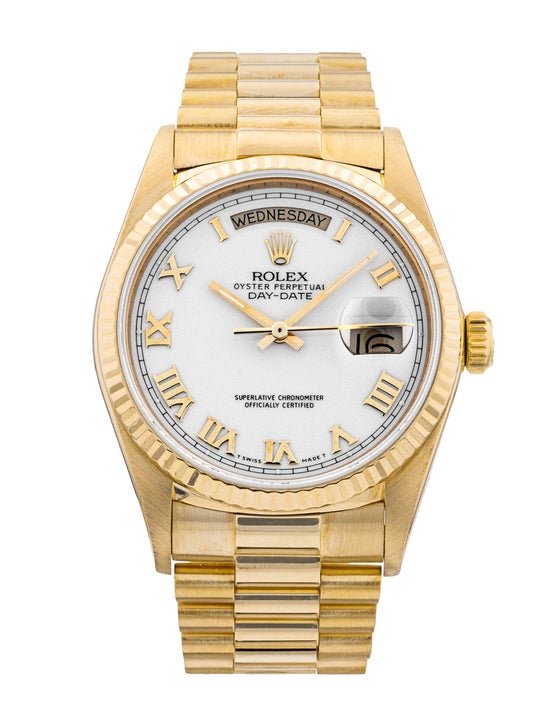
Best entry-level Rolex pieces that sit within reach for most first-time buyers are steel classics: the Oyster Perpetual, Datejust, Explorer, and Air-King. The Submariner is the aspirational steel sports icon — still on the shortlist, just usually a bigger cheque. If you want a first Rolex to buy that you’ll actually wear, start there. Not Daytona. Not a gold Day-Date. Those can wait.
I’ve got 99 problems, but picking a Rolex that costs more than my car ain’t one — yet. My teenager says that line is why he walks three steps behind me. Fair enough.
TL;DR: Shop steel Oyster Perpetual or Datejust first. Explorer and Air-King if you want tool-watch DNA without Submariner premiums. Treat the Sub as the stretch goal. Mid-size (36–39mm) beats oversized for most wrists. Don’t chase a Daytona as your first Rolex unless you’ve already tried simpler references on-wrist.
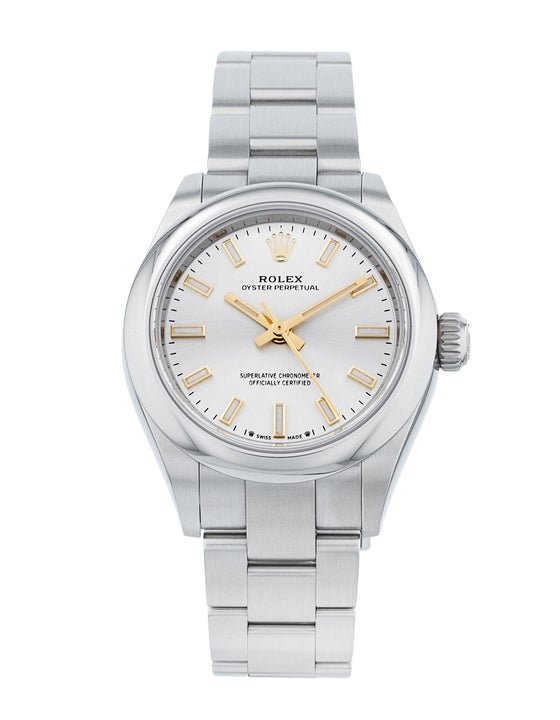
Oyster Perpetual: the clean entry that still feels like Rolex
The Oyster Perpetual is the textbook answer to affordable Rolex models in the steel lane. No date. No complications. Just a coloured or silver dial, Oyster bracelet, and that crown logo doing the heavy lifting.
Why beginners love it:
- Instantly readable as Rolex without shouting sports-watch lore
- Strong daily wear — office, weekend, travel
- Usually easier to find than hyped sports models
Rule of thumb: if your brief is “first Rolex to buy” and you hate date windows, stop here. Nine times out of ten, an OP in 36mm or 41mm covers the brief. Try both. Diameter on a product page lies; lug-to-lug and bracelet taper tell the truth.
Honest numbers mindset: you’re buying a steel Rolex, not a bargain-bin logo. Secondary-market prices still move with dial colour, condition, and completeness. Shop the reference, not the Instagram crop.
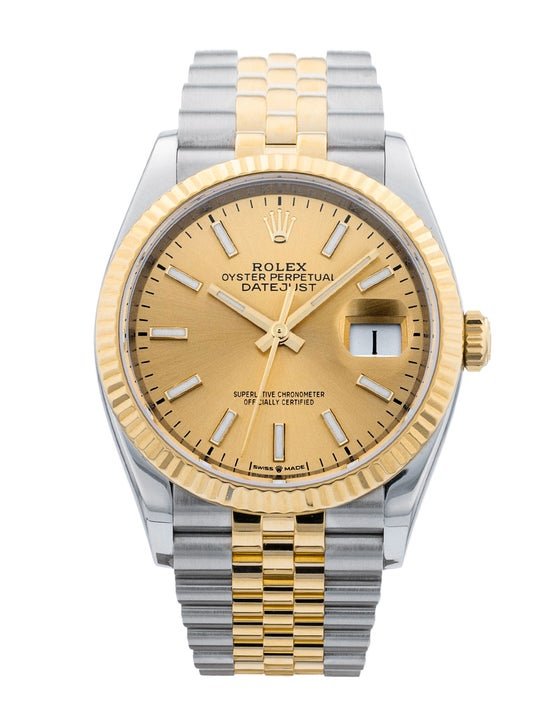
Datejust: entry-level Rolex with a calendar and more personality knobs
Oyster Perpetual vs Datejust is the first real fork for Rolex for beginners. Same family energy. Different daily behaviour.
Datejust adds a date window (often with Cyclops). You also get dial, bezel, and bracelet choices that change the personality overnight — fluted vs smooth bezel, Jubilee vs Oyster, stick vs Roman indices.
When Datejust wins:
- You want one watch that dresses up without looking costume-y
- You actually use a date complication (fair call — most of us do)
- You like the “classic Rolex” look people recognise from family photos
When OP wins:
- You want a quieter dial
- You hate Cyclops magnification
- You prefer colour-dial play without date clutter
Mid-size Datejust (especially 36mm) is still the sweet spot for many first buyers. Oversized 41mm can work — just confirm it doesn’t overhang your wrist bone when you type.
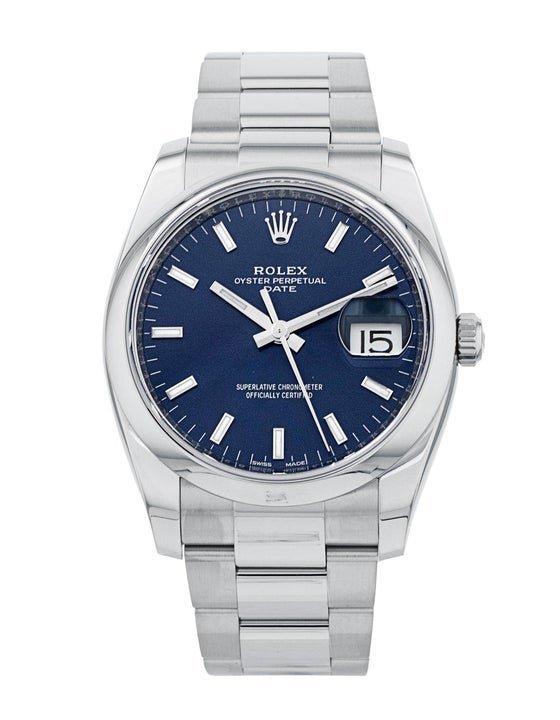
Explorer: tool-watch Rolex without the Submariner tax (usually)
The Explorer is the Rolex models within reach pick for people who want black-dial sports DNA and Mercedes hands. It’s a field / adventure silhouette that still sits under a cuff better than many dive watches.
Why it’s on every serious entry shortlist:
- Legible in low light
- Steel sports credibility without Sub hype noise
- Strong “buy once, wear forever” energy
If your lifestyle is commuting, hiking weekends, and the odd dinner reservation, Explorer is often the better daily than a dress-leaning Datejust. If you need a date and mixed jewellery matching, Datejust still wins.
Air-King: the underrated beginner steel Rolex
Air-King doesn’t dominate every “best entry-level Rolex” listicle. That’s partly why it’s interesting. Larger Arabic numerals, aviation-adjacent history, steel case — a different dial rhythm than OP or Explorer.
Who it suits:
- Buyers who want steel Rolex presence with a less common silhouette
- Wrists that like a bit more dial drama than a simple OP
- Collectors who already own a Datejust and want contrast
Who should skip it first: anyone who specifically wants the classic fluted Datejust look or the Submariner bezel story. Air-King is its own lane. Fair enough.
Submariner: still within reach for some — just know what you’re buying
The Submariner is the steel sports Rolex most people picture when they say “Rolex.” Rotating bezel. Dive heritage. Instant recognition.
It belongs on this list because top pages keep naming it — sometimes as the goal, sometimes as the stretch. Honest numbers: Sub premiums are real. Wait lists and secondary markups exist for a reason. If your budget is “first Rolex within reach,” Sub is often the fifth model after OP, Datejust, Explorer, and Air-King — not the first.
If you can clear the number without stress, and you swim / travel / want a true sports daily, Sub is excellent. If the number only works if you skip holidays for two years, buy the OP and enjoy your life.
Mid-size vs oversized: the sizing call most lists bury
Entry-level Rolex shopping fails more often on size than on model name.
- Mid-size (roughly 36–39mm): usually safer for smaller-to-average wrists, under cuffs, and all-day comfort
- Oversized (41mm+): more wrist real estate, more modern sports presence, easier to overwhelm a slim arm
Rule of thumb: measure lug-to-lug against your wrist width. If the lugs hang past the wrist edges in photos, size down. Diameter alone is marketing. Fit is ownership.
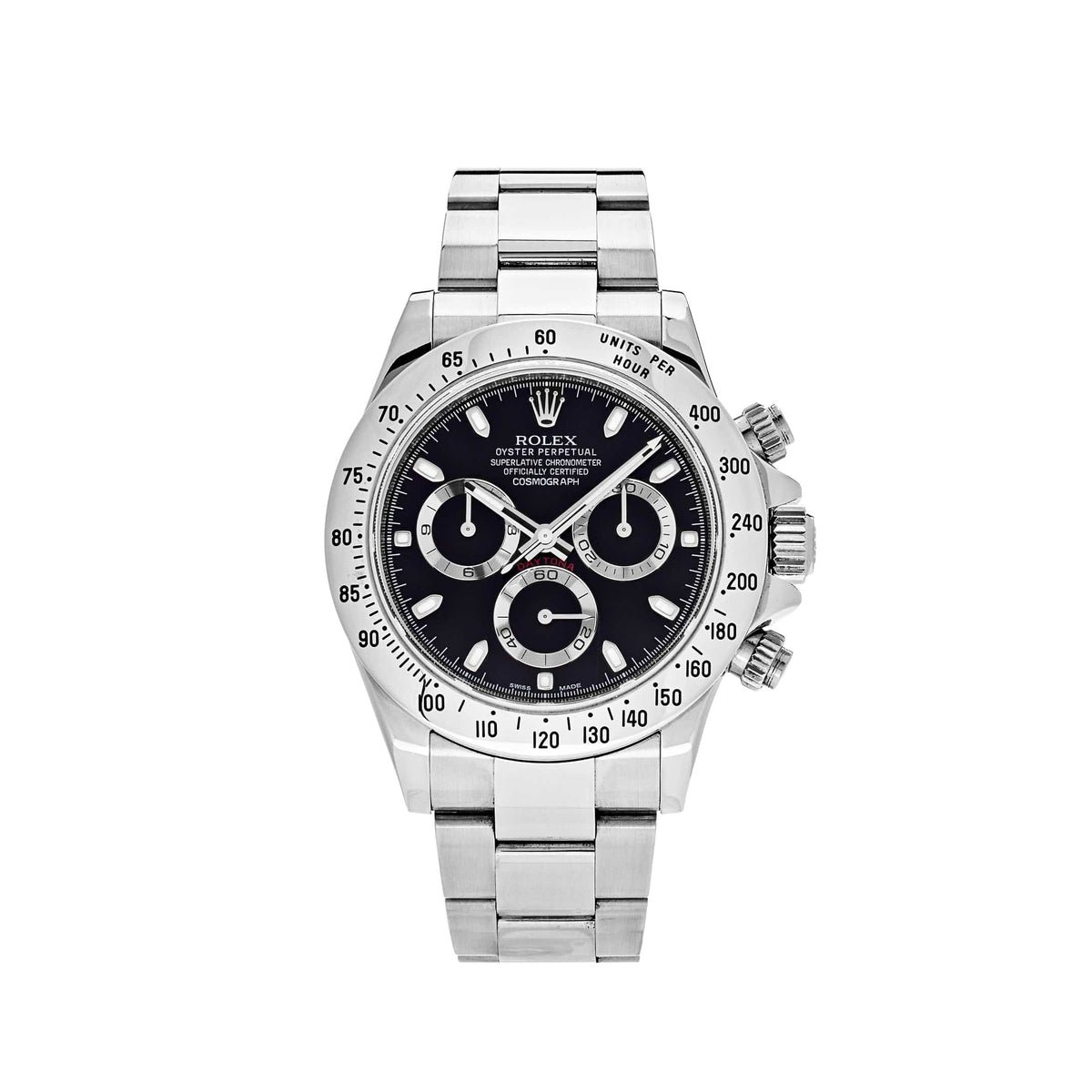
When NOT to chase a Daytona first
Daytona energy is strong. Chronograph subdials. Racing lore. Secondary-market mythology.
It’s a poor first Rolex to buy for most people because:
- You’re paying for chronograph complexity you may never use
- Hype and wait dynamics distort “within reach”
- You haven’t lived with a simpler Rolex long enough to know what you actually miss
Nine times out of ten, people who start with OP or Datejust make cleaner second purchases later. Daytona as watch number three hits different than Daytona as watch number one financed on vibes.
Three extras most “entry Rolex” guides skim past
Bracelet comfort beats brochure romance
An Oyster that pinches or a Jubilee that rattles will ruin a perfect reference. Ask about bracelet condition and link count. Micro-adjust clasps matter more than dial poetry after week two.
Completeness is optional — until it isn’t
Box and papers can add a premium. Naked watches can be honest value if the case and movement check out. Decide your position before checkout, not after delivery.
Service buffer is part of the budget
A steel Rolex isn’t “done” at purchase. Build a service cost buffer into the all-in number. Gaskets, timing, and bracelet wear are ownership — not surprises.
Straight answers
What is the best entry-level Rolex?
For most buyers: steel Oyster Perpetual or Datejust. Explorer if you want tool-watch DNA. Air-King for a less crowded dial story. Submariner if budget and patience allow.
Oyster Perpetual vs Datejust — which first?
OP for cleaner dials and colour play. Datejust if you want a date and more classic Rolex dress-sports versatility.
Are there truly affordable Rolex models?
“Affordable” is relative. Steel classics are the reachable lane. Precious metal and hyped sports pieces are a different conversation.
Should beginners buy a Submariner first?
Only if the all-in cost is comfortable and you want a dive sports daily. Otherwise start simpler and graduate.
Is Daytona a good first Rolex?
Usually no. Live with a three-hand Rolex first. Earn the chronograph later.
What size Rolex should a beginner wear?
Try mid-size first (36–39mm class). Step up only after a real wrist test — or careful study of lug-to-lug on your wrist photos.
Shop Rolex within reach at COSY AURA
Browse our Rolex collection for steel classics and sports references that match this shortlist. Confirm reference, size, dial, and condition on each product page before checkout.
Questions before you buy? Email support@cosyaura.us or use contact. We’ll talk references, not vibes.
COSY AURA is not affiliated with Rolex SA. Rolex® is a trademark of its respective owner. Guide for COSY AURA THE WATCH JOURNAL.