Guide: How to Choose Your First Luxury Watch
A practical path through lifestyle, case size, movement, and brand character when you are ready for your first serious timepiece.
July 29, 2026 · COSY AURA
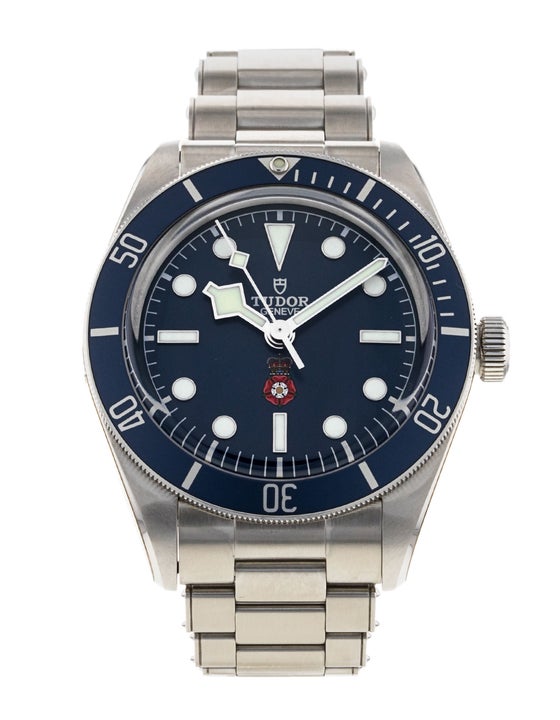
How to choose your first luxury watch comes down to five decisions in order: all-in budget, lifestyle, case size (especially lug-to-lug), movement (automatic vs quartz), and a seller you trust. Brand prestige is real. Fit and ownership cost matter more on day thirty.
I’ve got 99 problems, but my first luxury watch wasn’t supposed to be one of them — then I bought for the campaign photo, not the wrist. My teenager still brings it up. Fair enough.
TL;DR: Set an all-in number (watch + tax/shipping mindset + service buffer). Match the watch to how you actually live. Prioritise lug-to-lug and try-on over brochure millimetres. Automatic for romance and tradition; quartz for accuracy and lower fuss. Vet the seller hard. Water resistance ratings are practical guides, not swimming depth charts.
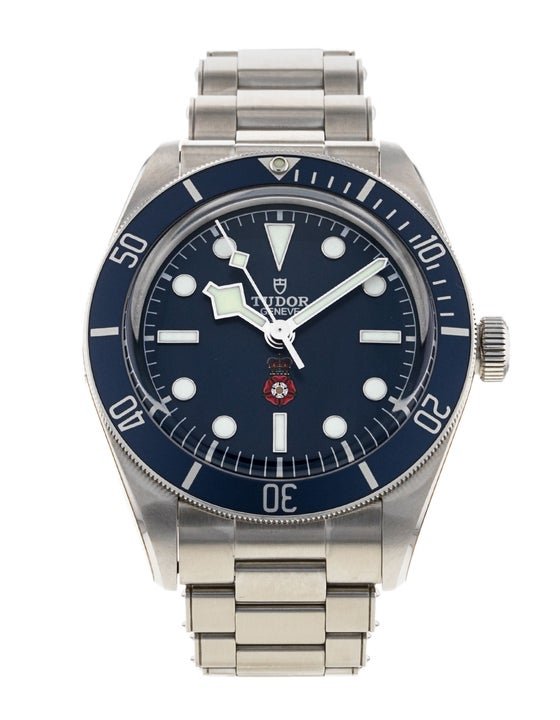
Budget all-in — not just the sticker
A beginner luxury watch budget that only covers the listed price is half a budget.
Build the number like this:
- Purchase price on the product page
- Shipping / duties expectations for your location
- A service cost buffer for later (gaskets, timing, bracelet work)
- Strap or sizing extras if you know you’ll change them
Honest numbers beat vibes. If the watch only “works” when you pretend service is free forever, it doesn’t work.
Rule of thumb: leave room so the purchase doesn’t make every coffee feel like a financial review meeting.
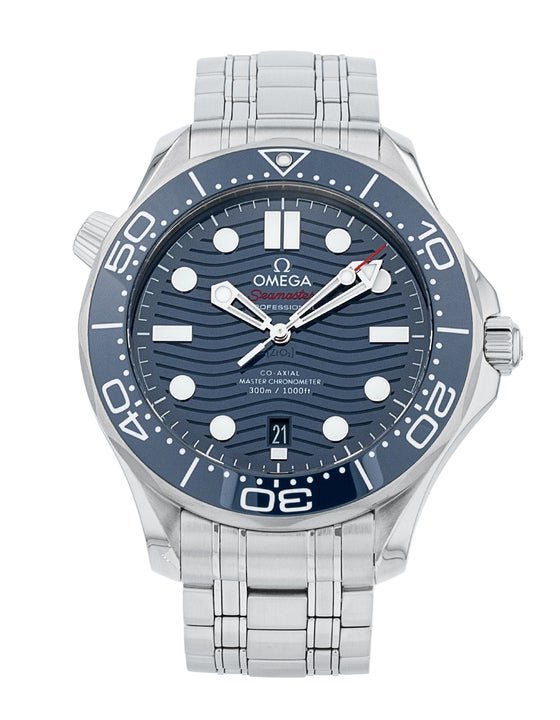
Lifestyle first — then the catalogue
First luxury watch shopping fails when lifestyle is an afterthought.
Ask plain questions:
- Desk and dinners, or gym and travel days?
- Cuffs and dress shirts, or short sleeves most weeks?
- Do you actually swim, or do you only like dive-watch photos?
Steel sports watches forgive daily abuse better than thin dress pieces. Dress watches look sharper under a cuff and hate backpack straps. Chronographs add tools you may never use — and dial clutter you will see every morning.
Nine times out of ten, the right first piece is the one that survives your real week, not your holiday mood board.
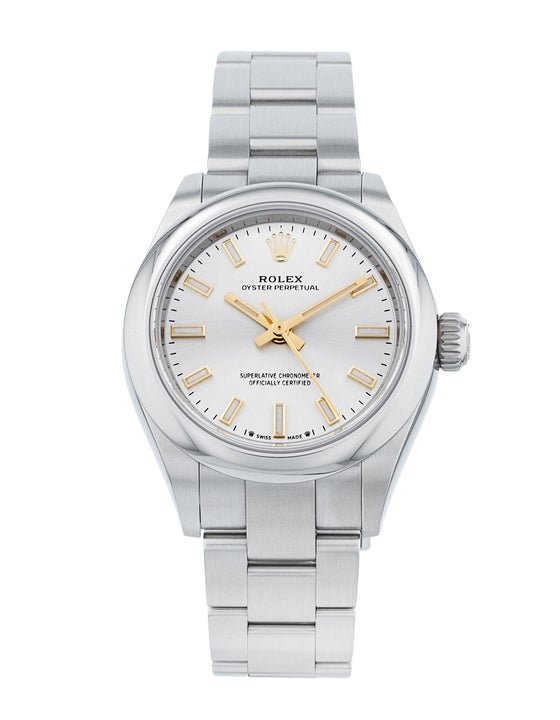
Case size and lug-to-lug — diameter is a rumour
Watch case size for beginners gets oversimplified into “36mm vs 41mm.” Diameter matters. Lug-to-lug matters more.
What to check:
- Diameter: the headline number
- Lug-to-lug: how far the watch spans your wrist
- Thickness: cuff clearance and pocket catch risk
- Bracelet taper: comfort and visual balance
If lugs hang past the wrist edges in a mirror selfie, size down. Fair call even if the brand’s “modern” default is larger.
Try-on beats theory. If you can’t try on, study wrist shots on similar wrist sizes — not ghost stands.
Automatic vs quartz for a first watch
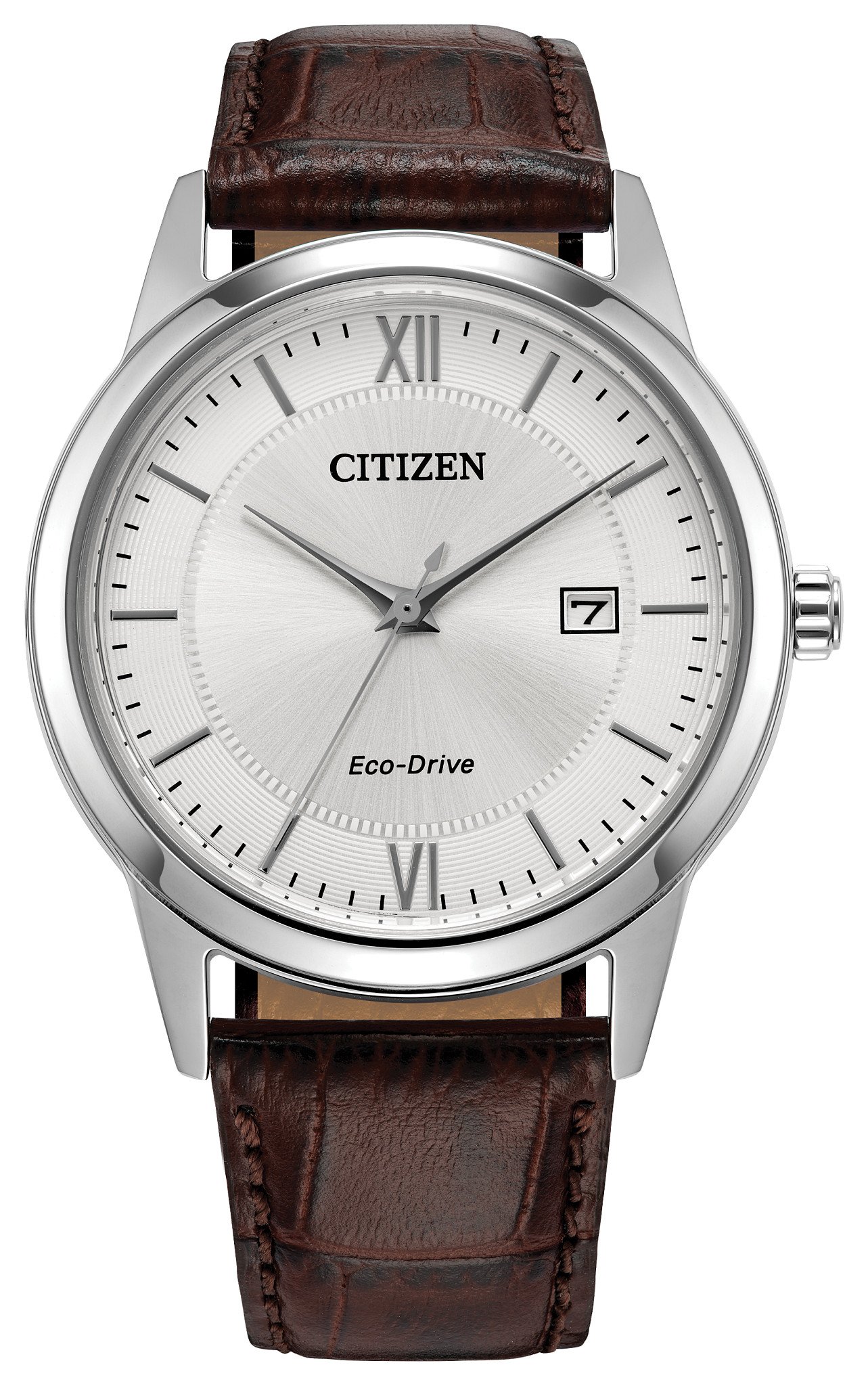
Automatic vs quartz first watch is a values choice more than a morality play.
Automatic
- Mechanical romance and tradition
- Needs wear or a winder to stay running
- Service intervals are part of ownership
- Slight daily variance is normal
Quartz
- Accuracy you can set and forget
- Battery or solar service instead of full mechanical overhauls (model-dependent)
- Often thinner / easier daily companions at a given price
- Less “horology theatre,” more tool energy
Neither is wrong. If you want the ritual of winding and the heartbeat of a rotor, go automatic. If you want the watch correct after a drawer week, quartz is honest.
Brand vs value — name recognition has a price
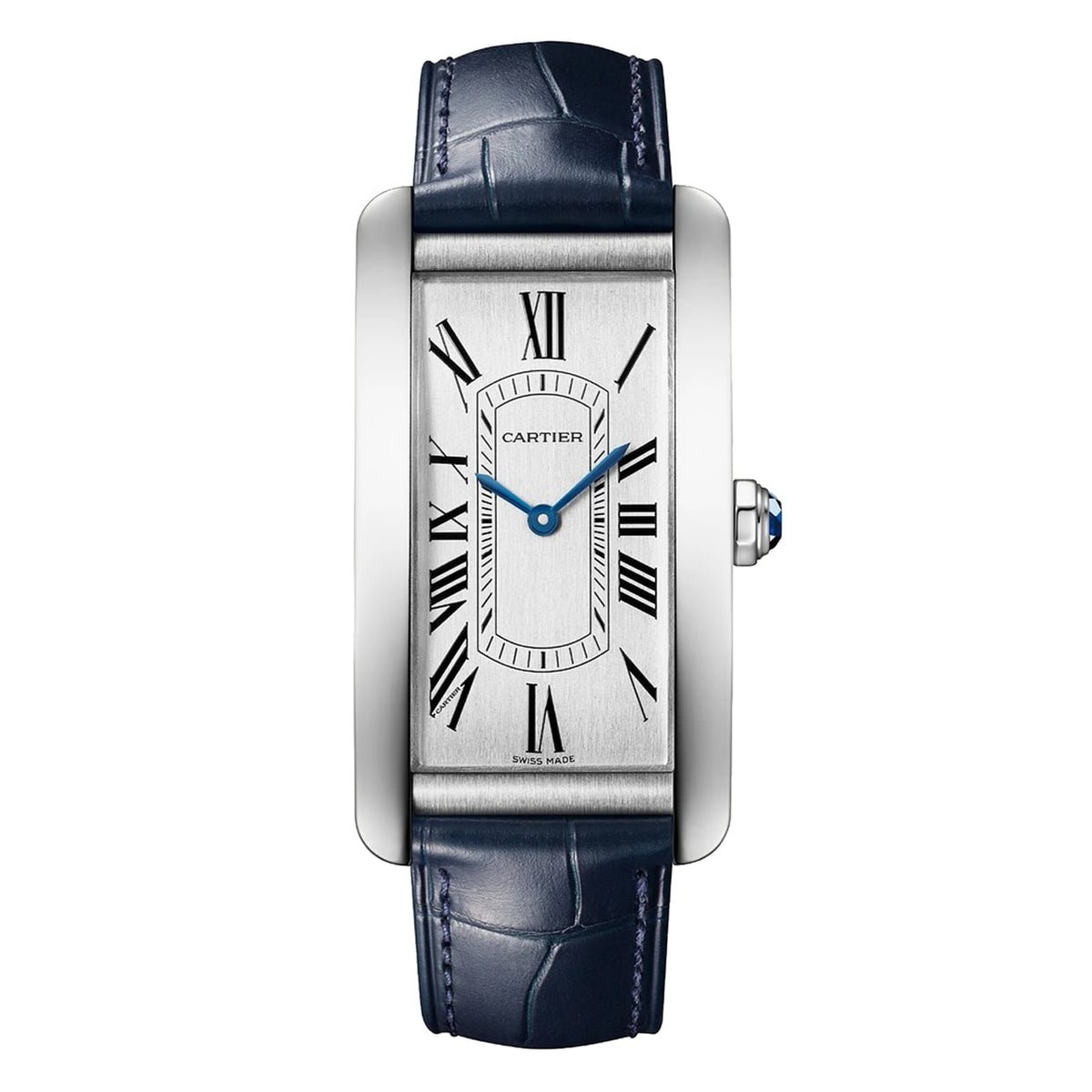
A luxury watch buying guide that ignores brand premiums is incomplete. Recognition costs money. So does finishing, movement pedigree, and aftersales networks.
Useful frame:
- Brand premium: you’re paying for identity, liquidity, and story
- Value lane: stronger specs-per-dollar, quieter logo, still serious quality
For a first luxury watch, either path works if the piece fits. Buying a famous name you resent every bill for is worse than buying a less hyped watch you wear daily.
COSY AURA lists many brands side by side — Rolex, Omega, Tudor, Cartier, and others — so you can compare the wrist, not just the lore. We are not affiliated with those brands.
Seller vetting — trust is part of the product
Before checkout:
- Clear photos of case, dial, bracelet, clasp, and caseback when available
- Condition language that matches the images
- Transparent return policy (returns)
- Shipping expectations you can live with (shipping)
- A human channel when something looks off
Ask about reference numbers, completeness (box/papers), and service history when it matters to you. Better questions before purchase create calmer ownership after.
Try-on — the step people skip and regret
If you can try sizes in person, do it. If you’re buying remote:
- Compare lug-to-lug to a watch you already own
- Check bracelet end-link fit language on the listing
- Know your return window before emotional attachment sets in
The best first luxury watch still feels obvious the next morning. If excitement depends on winning an argument with yourself, wait one day.
Two extras most beginner guides miss
Service cost buffer
Mechanical watches are instruments. They need periodic care. Build that into the all-in budget so a future service invoice doesn’t feel like betrayal.
Water resistance honesty (practical meanings)
Watches are water-resistant, not waterproof forever. Lab ratings are guides:
| Stated rating | Practical meaning |
|---|---|
| 30 m | Splashes, hand washing, light rain. Not swimming. Not shower. |
| 50 m | Similar to 30 m — still splash territory. |
| 100 m | Swimming / snorkeling OK for most sports watches. Not scuba-to-printed-depth. |
| 200 m | Real dive-watch intent for swim, surf, snorkel, skin dive — not saturation diving. |
Steam and hot showers are rough on gaskets even when the number looks brave. Leather straps hate water — especially salt — even on sports cases.
Straight answers
What should I buy as a first luxury watch?
A steel daily you will wear: sports or simple three-hand, sized to your wrist, from a seller you trust, inside an all-in budget that includes a service buffer.
Automatic or quartz for beginners?
Automatic for mechanical feel. Quartz for accuracy and lower daily fuss. Match the movement to how you live, not to forum purity tests.
What case size should beginners wear?
Start mid-size and judge lug-to-lug. Many wrists prefer ~36–40mm class pieces; confirm on your arm.
How important is brand?
Important for recognition and resale stories. Secondary to fit, condition, and whether you’ll wear it.
Do I need box and papers on a first watch?
Nice to have. Not mandatory if the watch authenticates and condition is solid. Decide your premium tolerance before paying.
Is 50m water resistance enough to swim?
Generally no. Treat 30–50m as splash. Prefer 100m+ for regular swimming.
Shop your first luxury watch at COSY AURA
Browse the watches catalog with a shortlist — budget, size, and lifestyle — instead of a mood. Confirm reference, condition, and fit details on each product page.
Questions before you buy? Email support@cosyaura.us or use contact. We’ll help you narrow the brief.
Editorial guide for COSY AURA THE WATCH JOURNAL. Not affiliated with the brands mentioned.